Environmental group impact its community
A volunteer environmental group working to improve its village has been offered use of a listed building which was recently given a £22,000 revamp.
Members of Probus Environmental Action Team (PEAT) have been doing their bit to manage the local churchyard, tidy up and support green spaces in Probus.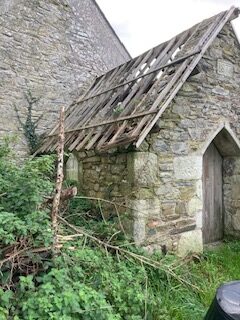
The group, which formed three years ago, has also been involved in fundraising to help renovate the Sexton Hut in St Probus Church yard.
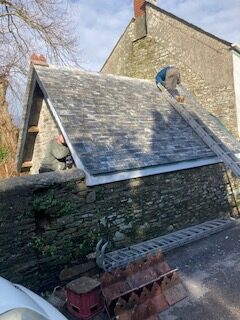
Restoration of the listed building, which has been derelict for more than 30 years, cost about £22,000 – and now PEAT members are to use it as their headquarters.
Nick Lauder, chair of PEAT, said Steve Dalton, who started the PEAT group three years ago before passing away, was instrumental in securing a grant for the restoration of the building.
The total came from fundraising, grants including the Benefact Trust and The Lottery Community Fund, Probus church funds, a legacy and donations from the congregation and wider Probus community.
Nick said: “£22,000 was raised to restore the Sexton Hut and a window will now be installed which we are hoping will be dedicated to Steve.”
 PEAT meet on Saturday mornings from 10am until 11.30am and villagers are welcome to join them. Three young people recently joined as part of their Duke of Edinburgh Award.
Nick said one PEAT project is creating a ‘dead hedge’, which uses storm-fallen trees and branches to create a new hedge to entice wildlife.
He said: “When we started this hedge in September/ October time, we totalled up 38 new nests, we are hoping this year we will have some nice baby birds.”
PEAT group members also work clearing the church yard to make the area more accessible.
Nick said: “We are also restoring old graves too. We take the weeds off and make sure people can see the graves and read who they are. We have done between 60-70 graves, which is about six to eight a day. It takes around 40 mins a grave.”
Sharon Willoughby, Diocesan Environment Officer, said: “PEAT is a great example of a Church based environmental action group making a really positive impact in their community.
“Dead-hedges can be a great way to manage fallen timber onsite, creating ideal habitat for insects, birds and fungi. Dead-hedges can help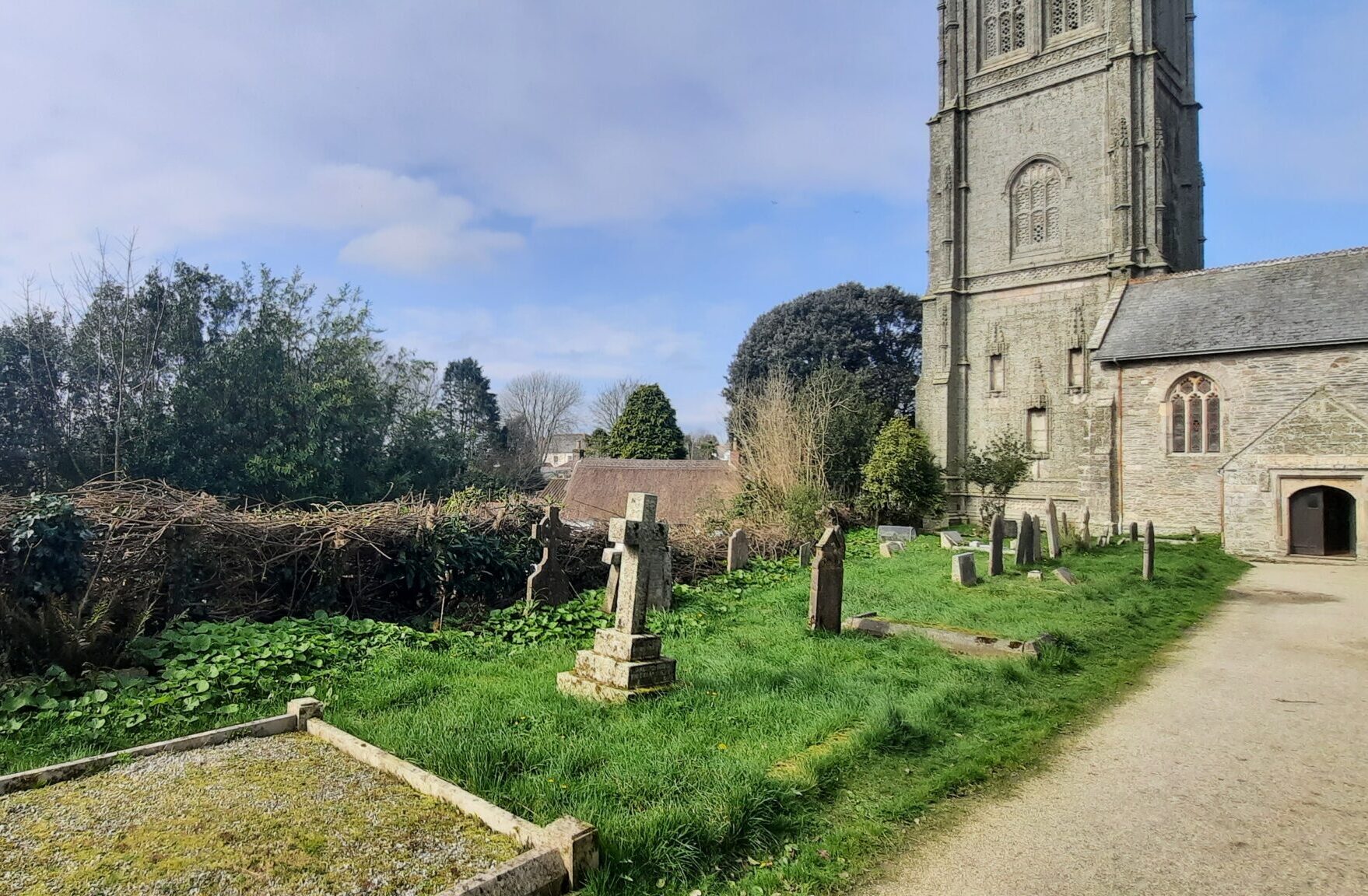 create wind breaks and define areas. They can be left to compost down or added to over time.”
Churches Count on Nature runs from Saturday June 6 to Sunday June 14 – an event celebrating biodiversity in churchyards.
You can find out more here: https://www.caringforgodsacre.org.uk/about-love-your-burial-ground-week-with-churches-count-on-nature/
