Fungi experts calling for churchyard finds
As part of the Cornwall Churchyard Project, the Diocese of Truro has volunteered to do some citizen science with the help of researchers at the Fungarium at the Royal Botanic Gardens, Kew.
People are being called upon to help search Cornwall’s church grounds for interesting varieties of fungi including Pinkgills, Club and Coral Fungi, Waxcap, Earth tongues and Crazed caps.
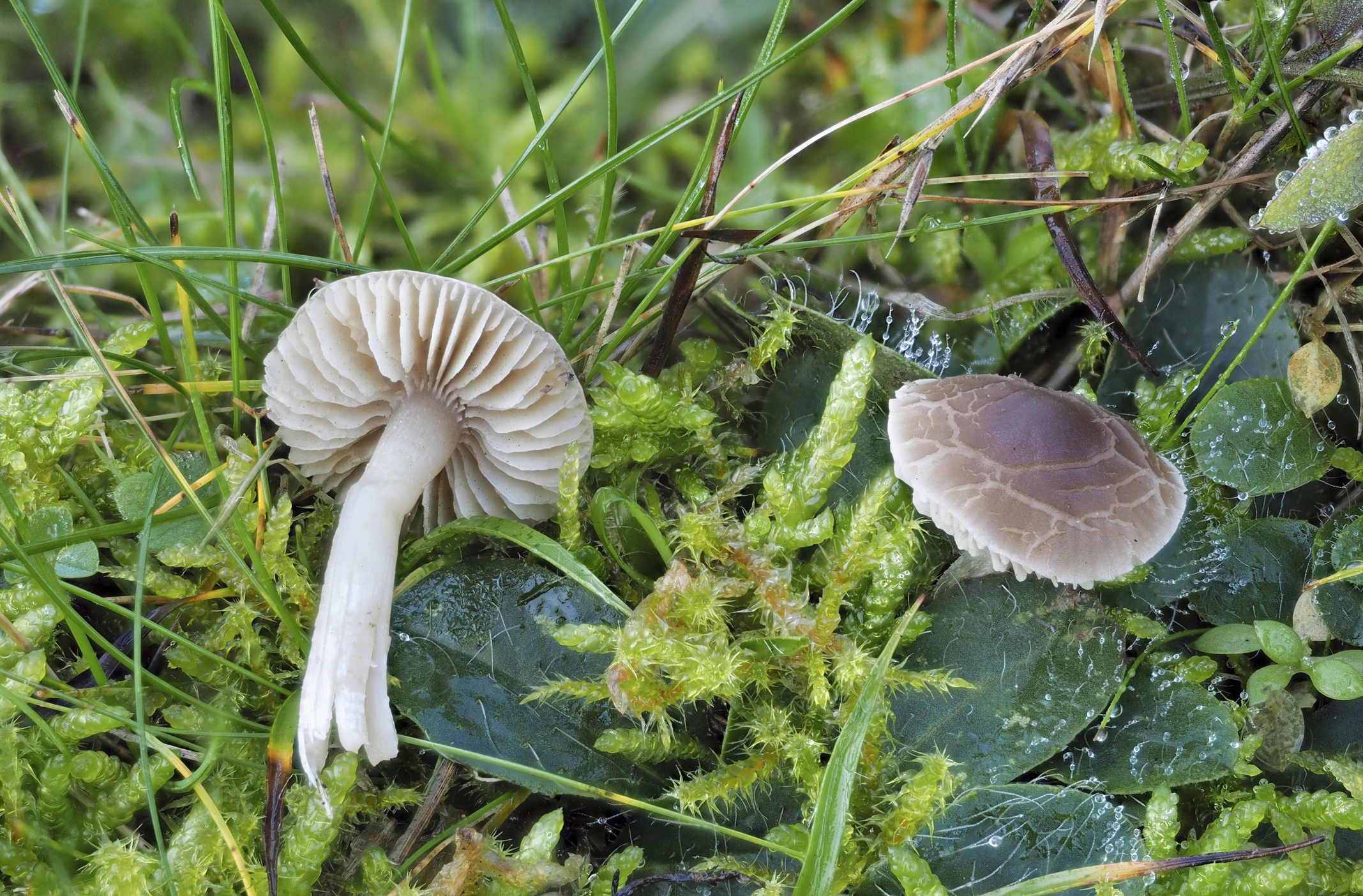
iStock image. Credit: weinkoetz
Dr Sharon Willoughby, Diocese of Truro’s Diocesan Environment Officer, is advising people to look in the short, springy, mossy grass before the frost arrives and make a record of their find.
If anyone spots any, she asks they take a photograph and send it to her, along with the name of the churchyard and the date they were spotted.
She said: “Searching for and recording fungi this autumn/ winter is a great way to spend time connecting to the natural world through our churchyards. Churchyards are important to us for many reasons, protecting the wildlife that relies on these places is critical to boosting biodiversity and keeping carbon safely lock within our soils.”
Lee Davies, Fungarium Collections Manager at the Royal Botanic Gardens, Kew, attended a recent Diocese of Truro’s Creation Care network gathering to talk about the collection, the research they do and how data is collected, confirming that “Churchyards, particularly old churchyards, are really good for fungi.”
The data collected in Truro over the next autumn and winter will be passed on to the team at Kew and may help to identify which churchyards are best for fungi and could potentially lead to new species discoveries.
