Synod votes to receive financial accounts
Members of the Truro Diocesan Synod have received the Truro Diocesan Board of Finance’s 2025 financial accounts, heard debate over their presentation, and considered key priorities for mission, governance, and parish support in a wide-ranging meeting held in May.
Synod was told that the diocese ended 2025 in a stronger position than expected, with a significantly reduced deficit. While the original budget forecast a shortfall of around £4 million, higher-than-expected income and lower spending meant the actual deficit was closer to £2 million.
Income totalled £8.3 million – around 10% higher than budget – while expenditure came in £1.2 million below expectations.
After accounting adjustments, including investment movements and property revaluations, the diocese ultimately recorded a small surplus of just under £200,000, effectively breaking even for the year.
The overall balance sheet remains steady at approximately £120 million, with more than half of assets tied up in property holdings.
Concern over parish contributions
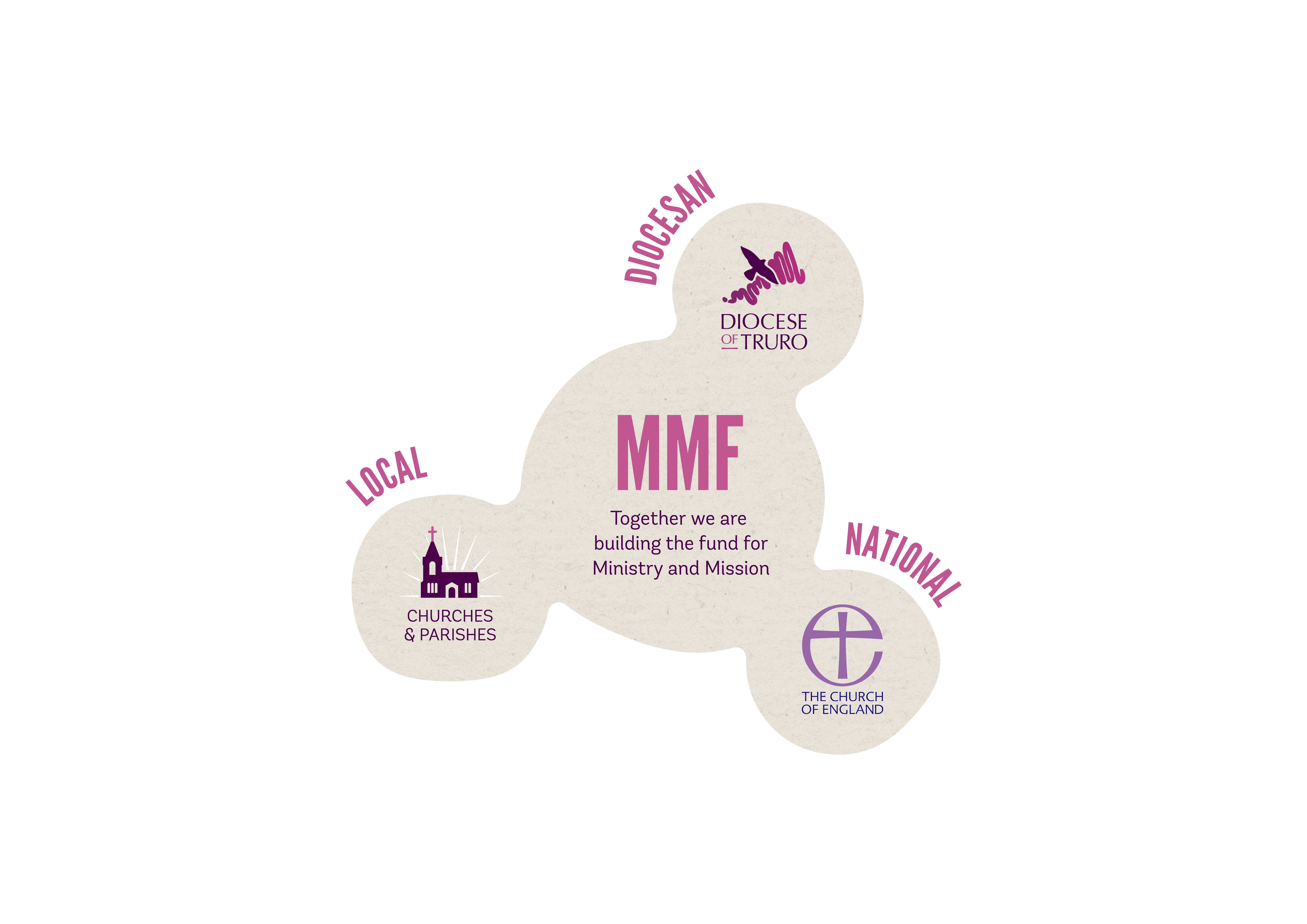 Despite the improved headline figures, Sophie Eddy, diocesan Director of Finance and Assets, highlighted ongoing concern over parish contributions.
Talking to those present, Sophie said: “Income from the parish share (MMF) rose slightly in cash terms but failed to keep pace with inflation, resulting in a real-terms decline. Early figures for 2026 suggest further pressure, with contributions in the first four months running about £46,000 lower than the same period in 2025, and the collection rate dipping below 90%.”
She also highlighted to members that failing to meet expectations would increase reliance on reserves, limiting the diocese’s ability to fund mission and ministry in future.
A significant portion of the discussion focused on a technical change in how grant income is recognised.
New accounting rules required the diocese to record more than £900,000 of additional grant income in 2025 without matching expenditure, artificially improving the reported position for the year.
One Synod member, Martin Saunders, a former finance director, challenged the accounts, arguing they did not give “a true and fair view” because expected future spending had not been included. However, diocesan leaders defended the treatment, explaining that expenditure cannot be recognised without a formal liability at year-end, and that was supported by the auditors.
Despite the objection, Synod voted to receive the accounts, along with reappointing auditors and legal advisers.
